
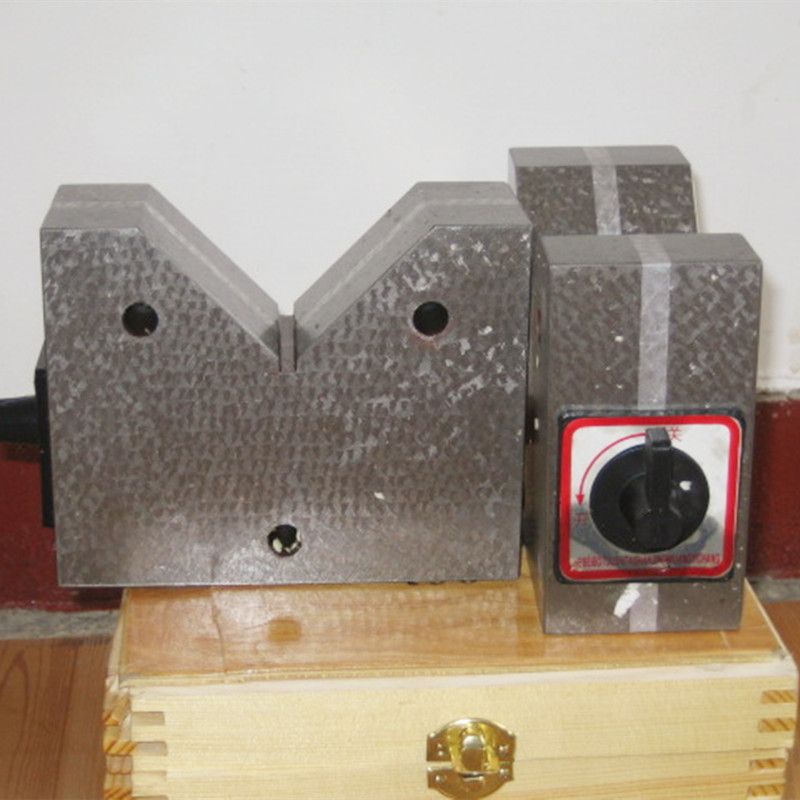
shower room
The Importance and Applications of Small Ground Anchors In the field of civil engineering and construction, ground anchors play a pivotal role in ensuring the stability and integrity of structures. Among the various types of anchors, small ground anchors are particularly noteworthy due to their versatility and effectiveness in various applications, ranging from retaining walls to temporary structures. This article explores the significance of small ground anchors, their applications, installation methods, and advantages. What are Small Ground Anchors? Small ground anchors, also known as soil anchors or tieback anchors, are systems used to provide additional stability to structures by anchoring them into the ground. These anchors can be made from various materials, including steel or concrete, and typically consist of two main components the anchor body itself and a corresponding tensioned component, such as a cable or rod. They work by transferring loads from a structure to the surrounding soil, effectively counteracting lateral forces and enhancing overall structural support. Applications of Small Ground Anchors One of the most common applications for small ground anchors is in the stabilization of retaining walls. Retaining walls are structures designed to hold back soil and prevent erosion, and small anchors can be used to provide additional support, particularly in cases where the wall is subjected to significant lateral pressure. By anchoring the wall to the stable ground further back, the risk of wall failure can be substantially reduced. Another application of small ground anchors is in temporary structures, such as during construction or excavation projects. During these operations, various structures may need to be stabilized against gravitational and lateral forces. Temporary anchors can be quickly installed and removed, providing a cost-effective solution for maintaining safety during construction activities. Small ground anchors are also used in various recreational projects, such as securing tents or canopies in outdoor events. Their lightweight design and ease of installation make them ideal for applications requiring portability and quick deployment. Installation Methods small ground anchors The installation of small ground anchors typically involves four main steps site assessment, drilling, placing the anchor, and tensioning. 1. Site Assessment Before installation begins, a thorough site assessment is conducted to analyze soil conditions. Understanding the soil type, density, and moisture content is crucial for determining the appropriate anchor size and type. 2. Drilling Once the assessment is complete, a hole is drilled into the ground to accommodate the anchor. The depth and diameter of the hole will vary based on anchor specifications and soil conditions. 3. Placing the Anchor The anchor is placed in the drilled hole. Depending on the design, it may be connected to a tensioning device or left in place to establish load-bearing capacity. 4. Tensioning After the anchor is installed, it is tensioned to ensure optimal load transfer. This step may involve the use of hydraulic equipment to achieve the required tension levels. Advantages of Small Ground Anchors The use of small ground anchors comes with numerous advantages. Firstly, they require minimal site disruption compared to traditional foundations, making them an ideal choice for urban or sensitive environments. Additionally, their compact size allows for flexible applications in tight spaces where larger anchors would be impractical. Moreover, small ground anchors are cost-effective solutions for stabilizing structures. They can often be installed relatively quickly, reducing labor costs and downtime on projects. Their modular design means that they can be adapted to a variety of situations without needing extensive modifications. In conclusion, small ground anchors are essential components in modern construction and civil engineering. Their versatility, ease of use, and effectiveness in enhancing structural stability make them a preferred choice in a wide range of applications. Whether stabilizing retaining walls, supporting temporary structures, or securing outdoor installations, small ground anchors provide reliable and efficient solutions for ensuring safety and stability in an ever-evolving construction landscape.
about
shower room
The Valve A Crucial Component in Engineering and Technology In the realm of engineering and technology, valves play an essential role in controlling the flow of fluids, gases, and even solids in various applications. Valves are mechanical devices that can regulate, direct, or control the flow of substances within a system, making them fundamental in numerous industries, including oil and gas, water treatment, pharmaceuticals, and automotive engineering. Understanding Valves At its core, a valve operates by opening, closing, or partially obstructing passageways in fluid systems. The primary purpose of any valve is to manage the flow and pressure of fluids or gases, ensuring that processes run smoothly and safely. Valves can be classified into several types based on their design and function, including gate valves, globe valves, ball valves, butterfly valves, and check valves, among others. 1. Gate Valves These valves are often used for on/off control. They operate by lifting a gate out of the path of the fluid, allowing it to flow freely when opened. However, they are not suitable for throttle control as they do not regulate flow efficiently when partially open. 2. Globe Valves Designed to allow for precise flow control, globe valves have a spherical body and a movable disk that regulates flow through the valve . This design makes them ideal for applications requiring frequent flow adjustments. 3. Ball Valves Ball valves feature a spherical disc with a hole through its center. When the hole is aligned with the flow, the valve is open, and when it is perpendicular, the valve is closed. Their quick operation and tight sealing properties make them popular in many applications. 4. Butterfly Valves These valves use a rotating disc to control flow. They are lightweight, quick to open and close, and are advantageous in applications where space is limited. 5. Check Valves Also known as non-return valves, check valves prevent fluid from flowing backward in a system. They are crucial in maintaining the integrity and safety of systems by ensuring fluid flows in the intended direction only. the valve Applications of Valves Valves are ubiquitous in everyday life, functioning in both commonplace and specialized systems. In residential plumbing, valves control the water flow supplying homes. In industrial settings, they regulate processes in chemical manufacturing, refining, and energy production. For instance, in the oil and gas sector, valves manage the flow of crude oil and natural gas through pipelines, ensuring safe and efficient transportation. In the automotive industry, valves control the flow of fuel and air into combustion engines, playing a critical role in performance and efficiency. Additionally, in healthcare, valves are essential in medical devices such as ventilators and intravenous systems, ensuring the safe delivery of medications and maintaining patient safety. Technological Advancements in Valve Design As technology progresses, valve design and functionality continue to evolve. Automation and smart technologies have revolutionized valve operations, allowing for remote monitoring and control. This innovation reduces human error and enhances operational efficiency. Smart valves equipped with sensors can provide real-time data on flow rates, pressure, and temperature, enabling proactive maintenance and optimization of processes. Moreover, advancements in materials science have led to the development of valves that can withstand harsher conditions, such as extreme temperatures or corrosive substances. This durability extends the lifespan of valves and reduces maintenance costs, ultimately benefiting various industries. Conclusion Valves are indeed a critical component across many sectors and industries, playing an integral role in ensuring the smooth and safe operation of systems. Their diverse types and advanced designs cater to a wide range of applications, solidifying their importance in modern engineering and technology. As we continue to innovate and improve valve technology, their significance in our daily lives will only grow, shaping the future of fluid and gas management.
-

High quality industrial productsagement

High quality industrial products
View Details -

Meet the diverse needs of customers

Meet the diverse needs of customers
View Details -

Strict quality control

Strict quality control
View Details -

Top raw materials

Top raw materials
View Details -

Trusted supplier

Trusted supplier
View Details
Our application



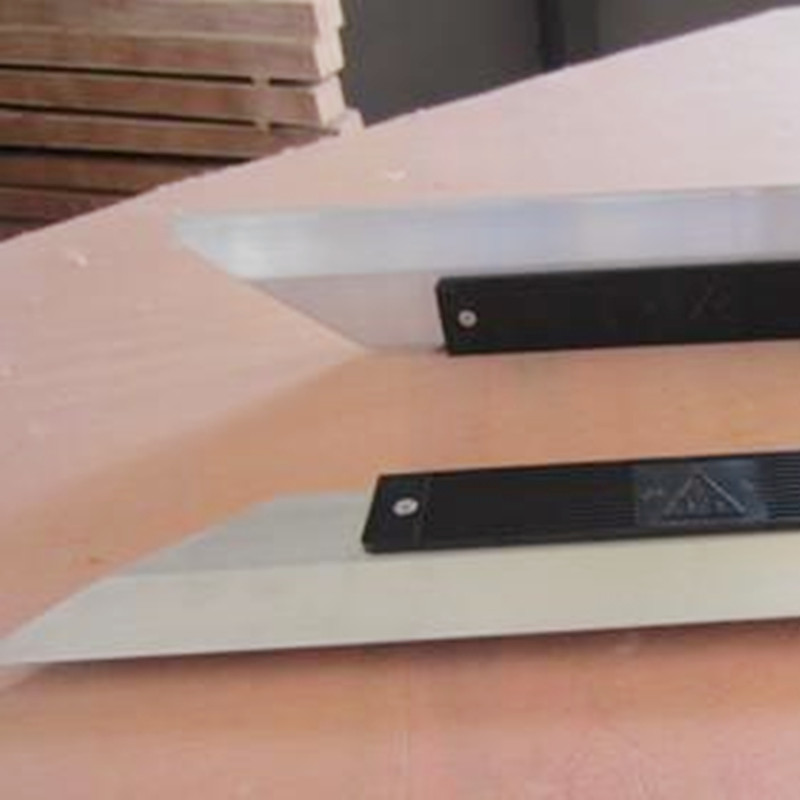
news and information
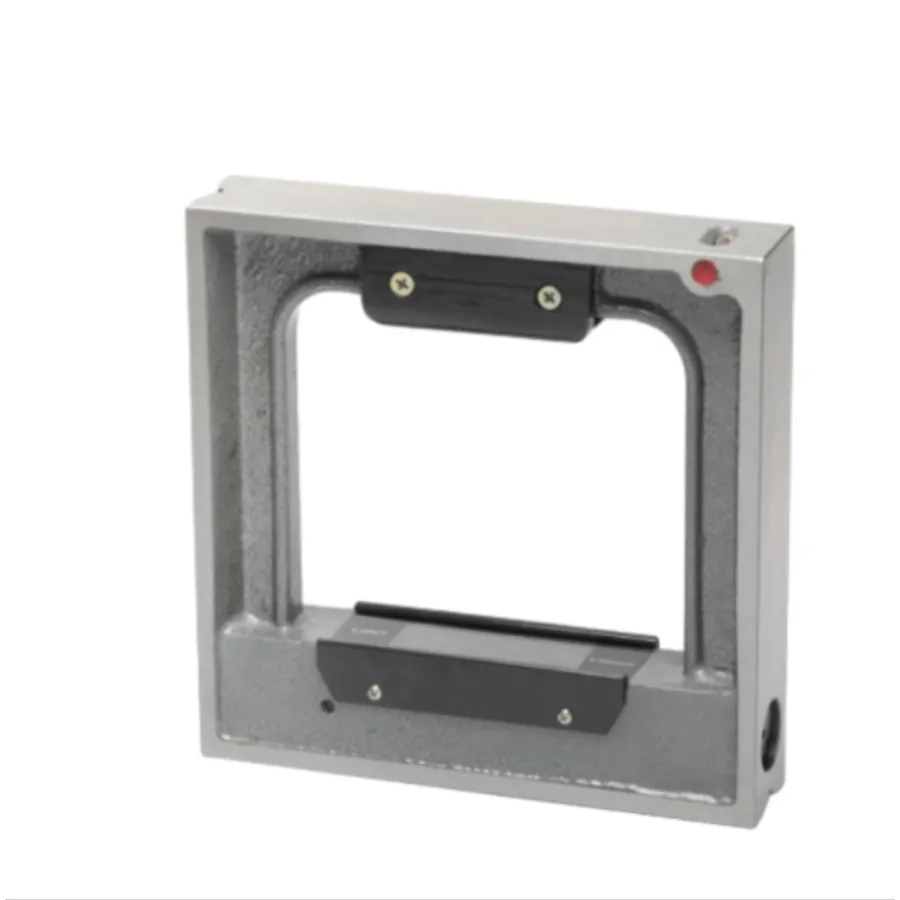
v blocks for machining
V Blocks for Machining An Essential Tool for Precision Engineering In the realm of precision machin
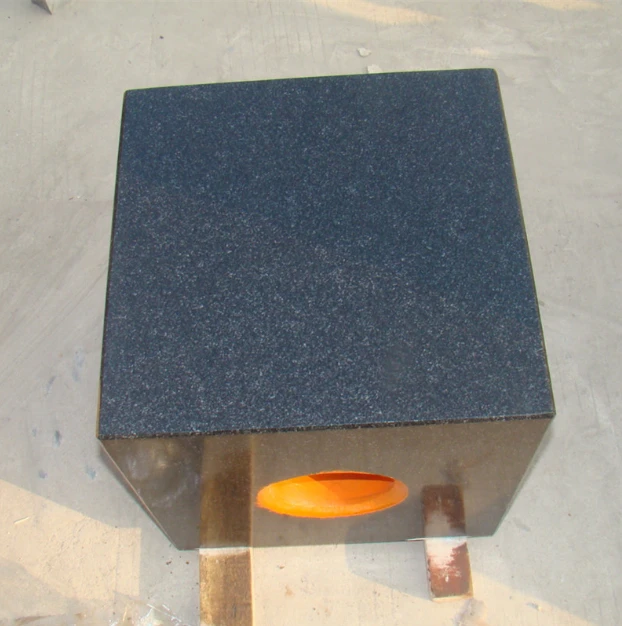
Versatile Clamps for Securely Holding Workpieces on Welding Tables
The Essential Guide to Welding Table Clamps Welding is an integral part of various industries, from
Valvola di cancello a flangia da 6 pollici
Un componente essenziale nei sistemi di gestione dei fluidi industriali è la valvola a saracinesca f
 English